
What is Detailed Inspection?

Detailed inspection is the most thorough grade of inspection, used to identify defects that cannot be detected through visual or close inspection. It plays a key role in maintaining equipment integrity in Ex environments.

Picture of SafeEx Team

SafeEx Team

Table of Contents

Key Insights

Most thorough inspection grade

Used when deeper assessment of equipment condition is required.

May involve intrusive checks

May require opening equipment and/or the use of tools.

Used in Ex inspections

Supports compliance in line with IEC 60079-17.

Detects less visible defects

Identifies issues not found during visual or close inspection.

Performed less frequently

Typically scheduled based on risk and inspection strategy.

What is detailed inspection?

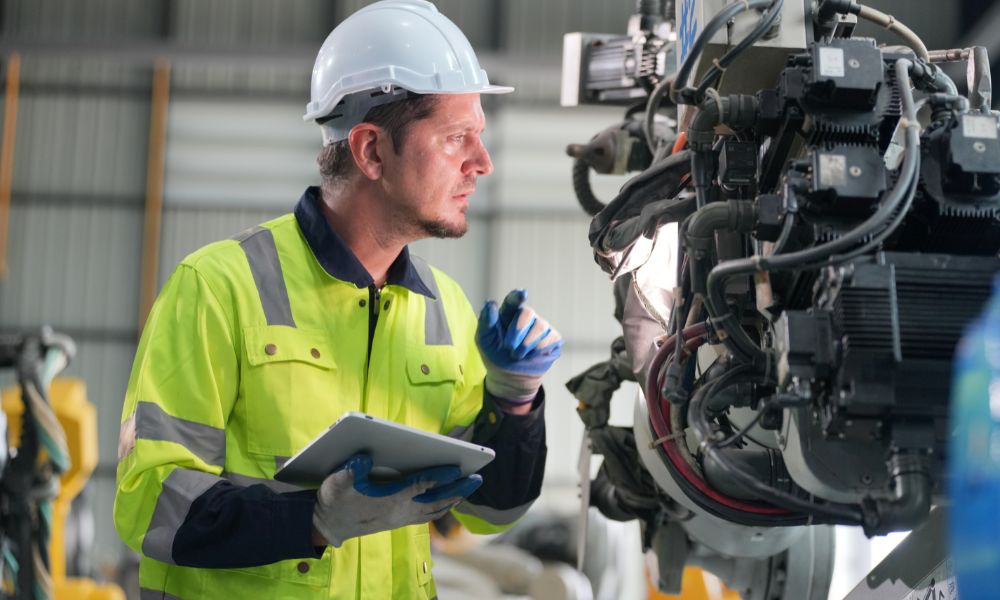
Detailed inspection is the most thorough grade of inspection used to assess the condition of equipment.

It goes beyond visual and close inspection by allowing inspectors to examine components more closely, often requiring opening equipment and/or the use of tools where required.

In practice, detailed inspection is used when there is a need to assess the condition and identify defects that cannot be detected through surface-level observation alone.

What is detailed inspection used for in Ex environments

In hazardous areas, detailed inspection is used to identify defects affecting equipment integrity at a deeper level, particularly where there is increased risk or uncertainty.

It is part of inspection routines defined in IEC 60079-17 and is typically performed at defined intervals or when previous inspections indicate potential issues.

Unlike visual and close inspection, detailed inspection may involve:

  • Opening enclosures where permitted
  • Checking internal components
  • Checking condition of electrical connections
  • Inspecting internal seals and protection methods

Because of the intrusive nature, detailed inspection often requires careful planning, including isolation procedures and permits where applicable.

Inspection grades: where detailed inspection fits

Detailed inspection represents the highest grade of inspection within a structured inspection approach.

Visual inspection

Performed from a distance.

  • Focus on obvious defects
  • No access required

Close inspection

Performed at short range.

  • Requires access and better visibility
  • Focus on smaller defects

Detailed inspection

The most comprehensive type.

  • May require opening equipment and/or the use of tools
  • Used to identify defects affecting equipment integrity
  • Performed less frequently

Benefits of detailed inspection

Detailed inspection provides a higher level of confidence in equipment condition.

Key benefits include:

  • Detects internal or less visible defects
  • Identifies defects affecting the integrity of critical components
  • Reduces risk of undetected failures
  • Supports compliance by identifying non-conformities

Limitations of detailed inspection

Detailed inspection is more resource-intensive and cannot always be performed during normal operations.

Limitations include:

  • May require shutdown or isolation
  • More time-consuming than other inspection grades
  • Requires qualified personnel
  • Must be carefully planned in hazardous areas

Because of this, detailed inspection is typically used selectively as part of a broader inspection strategy.

Detailed inspection across industries

Detailed inspection is used in industries where equipment reliability and safety are critical, and where failure can have serious consequences.

This includes oil and gas, chemical processing, energy, and other hazardous environments.

It is particularly important for high-risk equipment or systems where failure is not acceptable.

How detailed inspection fits into a digital workflow

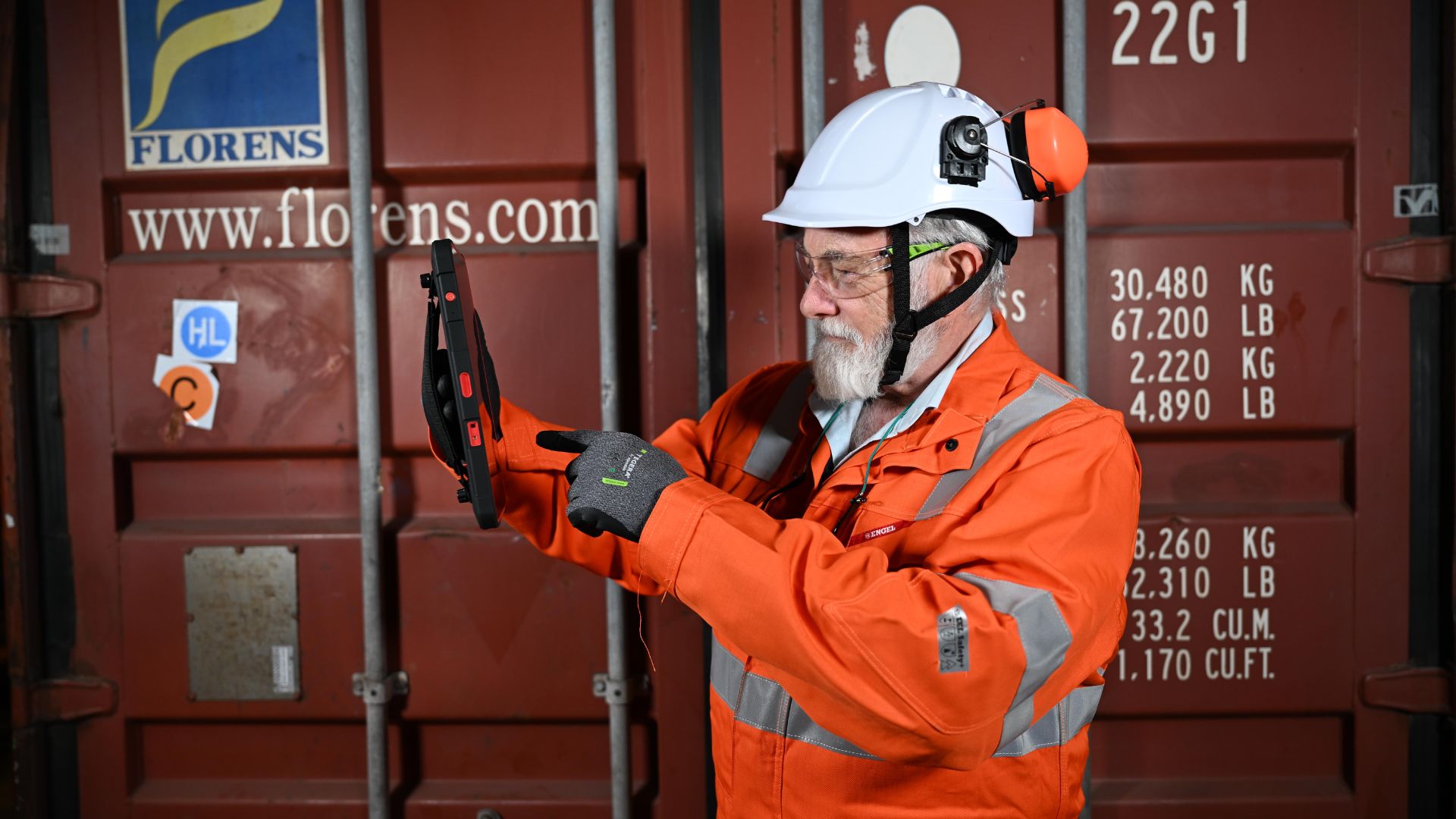
Detailed inspections generate critical data that must be properly documented and tracked.

Because these inspections are less frequent but more thorough, maintaining a clear record is essential.

A digital workflow allows inspection data to be:

  • Captured and structured consistently
  • Linked to specific equipment and components
  • Stored as part of a complete inspection history

This supports traceability and makes it easier to demonstrate compliance during audits.

Document detailed inspections with full control and traceability

Detailed inspections provide critical insight into equipment condition. Capturing these findings accurately and linking them to the right assets ensures that inspection results are not lost and follow-up actions are tracked.

A structured digital workflow helps maintain full visibility across inspection activities and supports long-term compliance.

Frequently Asked Questions

Close inspection is performed at short range without opening equipment. Detailed inspection goes further and may require opening equipment and/or the use of tools to assess internal condition.

Detailed inspection is typically performed at defined intervals or when there is uncertainty about equipment condition. It is often based on risk and inspection strategy.

In many cases, yes. Because it may involve opening equipment or accessing internal components, isolation or shutdown may be required.

Detailed inspection can identify internal defects, loose connections, degraded components, and other issues that are not visible during visual or close inspection.

Picture of SafeEx Team

SafeEx Team

The SafeEx Team write about company news.

Related posts