What are inspection grades in hazardous areas?
Inspection grades in hazardous areas define how thoroughly equipment is inspected to assess its condition and identify defects that could affect safe operation in explosive atmospheres.
These grades are used to balance efficiency and safety by applying the right grade of inspection based on risk, equipment type, and operating conditions.
In practice, inspection grades are divided into:
- Visual inspection
- Close inspection
- Detailed inspection
Each grade increases in depth, access, and level of assessment.
Overview of inspection grades
Visual inspection
Visual inspection is the most basic type.
It is performed from a normal viewing distance and focuses on identifying obvious defects.
Typical characteristics:
- No special access required
- Fast to perform
- Used during routine inspections
Close inspection
Close inspection is performed at short range to provide a more detailed assessment.
It is used when visual inspection does not provide sufficient certainty about equipment condition.
Typical characteristics:
- Requires physical access
- Improved lighting conditions
- Focus on smaller defects
Detailed inspection
Detailed inspection is the most thorough type.
It is used to identify equipment integrity at a deeper level and includes detection of defects that may require opening equipment or using tools.
Typical characteristics:
- May require shutdown or isolation
- Focus on internal or less visible defects
- Performed less frequently
When to use each inspection grade
Inspection grades in hazardous areas are not applied equally across all equipment.
Instead, they are selected based on risk and inspection requirements.
In practice:
- Visual inspection is used for routine checks
- Close inspection is used when more certainty is required
- Detailed inspection is used where a higher level of assessment is required, including periodic inspections or when issues are suspected
The goal is to apply the appropriate inspection grade without unnecessary disruption to operations.
Inspection grades in Ex environments
Inspection grades in hazardous areas are typically described as part of structured inspection routines in IEC 60079-17.
Each grade plays a specific role in maintaining equipment integrity:
- Visual inspection helps identify obvious issues early
- Close inspection allows detection of smaller defects in critical components
- Detailed inspection enables identification of internal condition when required
Because some inspection activities require access or isolation, proper planning is important to support safe execution of inspections.
Key differences at a glance
Benefits of using structured inspection grades
Inspection grades in hazardous areas are not just a matter of efficiency. They are part of how inspections are structured to support compliance requirements and safe operation.
Standards such as IEC 60079-17 define different inspection grades to support assessment of equipment at an appropriate depth based on risk and operating conditions.
In practice, this means inspections are carried out in a consistent and controlled way.
Key benefits include:
- Guides inspections to be performed at the appropriate level
- Reduces unnecessary intrusive inspections
- Improves detection of developing issues
- Supports consistent inspection practices
- Helps demonstrate compliance with applicable standards
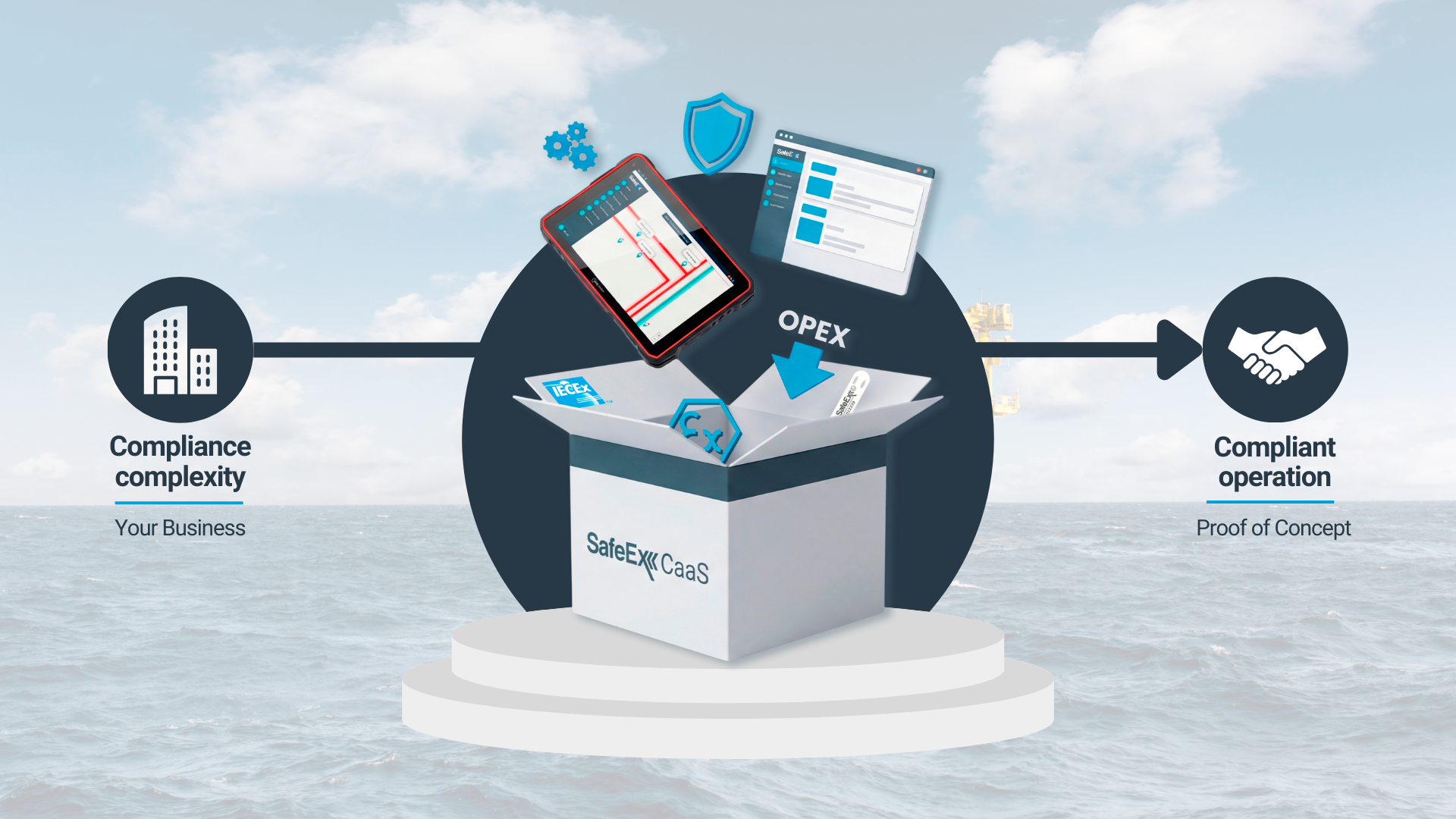
How inspection grades fit into a digital workflow
Managing inspection grades across multiple assets using paper or spreadsheets quickly becomes difficult to control.
Inspection data is often spread across different files, reports, and formats. Over time, this makes it harder to track what has been inspected, what has been found, and what requires follow-up.
In practice, this creates challenges when trying to stay audit ready and maintain confidence that equipment is being managed in a safe and consistent way.
A digital workflow allows inspection data to be:
- Structured by inspection grade
- Linked to specific equipment
- Tracked over time
This creates a clear and reliable overview of inspection activities, making it easier to follow up on findings, demonstrate compliance, and maintain control across assets.
Manage inspection grades with full visibility and control
Inspection grades in hazardous areas require consistent execution and clear documentation. Capturing inspection results across visual, close, and detailed inspections supports retention of findings and tracking of follow-up actions.
A structured digital workflow provides full visibility across inspection activities and supports long-term compliance.