What is visual inspection?
Visual inspection is a method used to assess the condition of equipment by observing it directly, without opening or dismantling it.
It is the most basic form of inspection and is often the first step in identifying defects or irregularities. In many cases, it determines whether further inspection or maintenance is required.
In practice, visual inspection means checking whether equipment looks as it should. This includes looking for visible signs of damage, wear, or incorrect installation.
What is visual inspection used for in Ex environments
In hazardous areas, visual inspection is used to identify visible defects and confirm no obvious non-conformities.
It plays a key role in inspection routines defined in IEC 60079-17, where the goal is to maintain the integrity of equipment installed in explosive atmospheres.
During a visual inspection, inspectors typically check for:
- Damage to enclosures or components
- Corrosion or signs of wear
- Loose fittings, bolts, or cable glands
- Missing or incorrect markings
- Evidence of mechanical impact
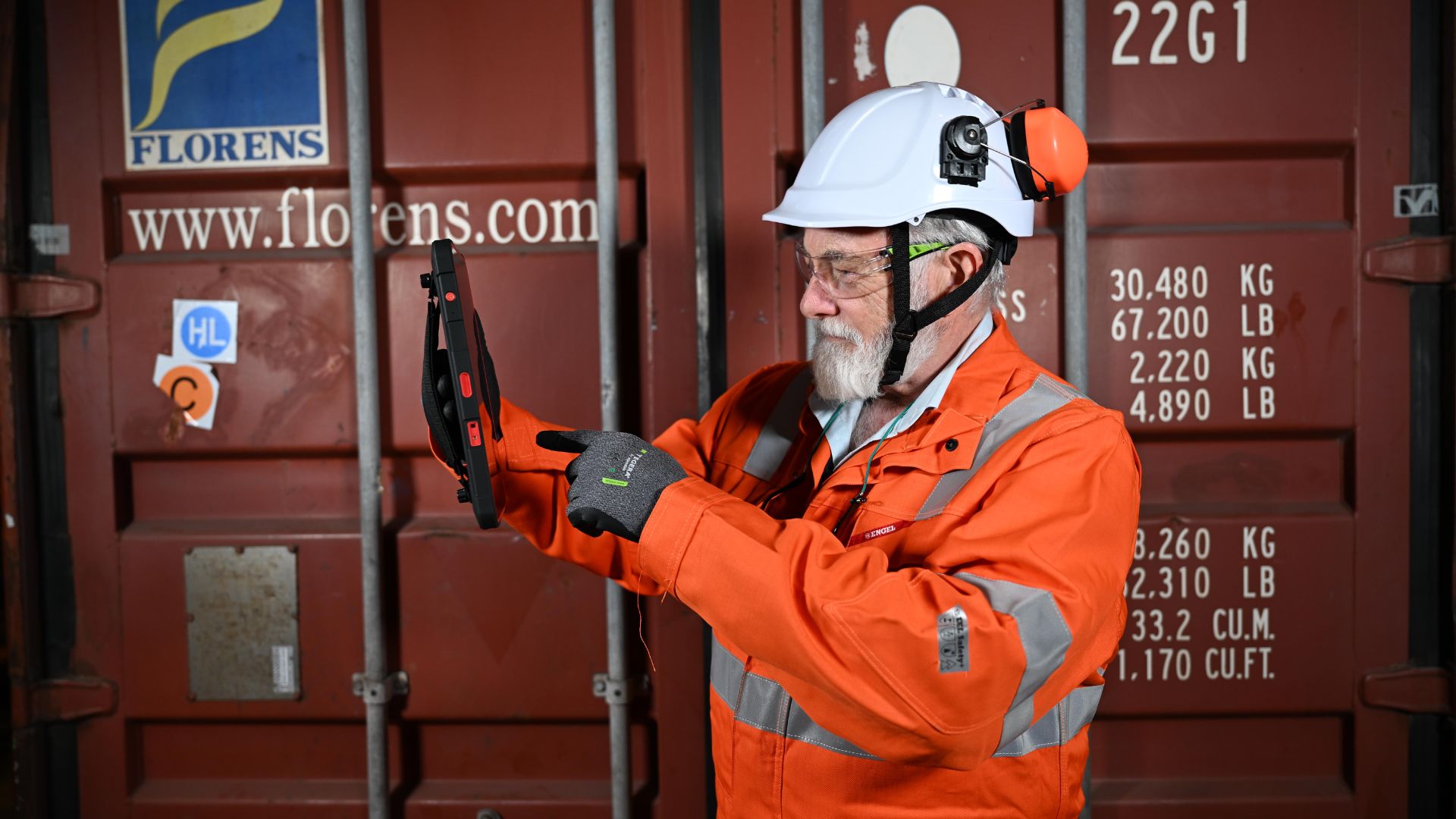
A key advantage in Ex environments is that visual inspection can be performed without opening equipment. This reduces the need for shutdowns and minimizes the risk associated with intrusive work.
Inspection grades: where visual inspection fits
Inspection is typically divided into different grades, depending on how thoroughly equipment needs to be assessed.
These grades define how close the inspection is performed and how much access is required.
Visual inspection represents the most basic grade and is typically the starting point.
Visual inspection
A basic check performed from a normal viewing distance.
- No tools required
- Focus on obvious defects
- Often carried out during routine walkthroughs
Close inspection
A more detailed inspection performed at close range.
- Requires better access and lighting
- Used to detect smaller defects
Detailed inspection
The most thorough type of inspection.
- May require opening equipment and/or the use of tools
- Focus on less visible issues
- Performed less frequently as part of scheduled inspections
Benefits of visual inspection
Visual inspection remains widely used because it is practical and efficient.
Key benefits include:
- No need to dismantle equipment
- Fast to perform during routine operations
- Allows early detection of visible defects
- Helps determine if further inspection is required
Limitations of visual inspection
Visual inspection has clear limitations and should not be relied on alone in all cases.
It can only detect what is visible at the time of inspection.
This means:
- Internal defects cannot be identified
- Results depend on lighting and accessibility
- Effectiveness depends on inspector competence
Because of this, visual inspection is often combined with other inspection methods when more detailed analysis is needed.
Visual inspection across industries
Visual inspection is used across industries where equipment reliability and safety are critical.
This includes:
- Oil and gas
- Chemical processing
- Manufacturing
- Energy and utilities
While the environments differ, the purpose remains the same: to assess equipment condition without affecting its operation.
How visual inspection fits into a digital workflow
Visual inspections have traditionally been documented using paper or spreadsheets.
In practice, this creates challenges such as inconsistent reporting and limited traceability.
A digital workflow improves how inspections are carried out and recorded.
Inspection data can be:
- Captured directly on site
- Linked to specific equipment
- Stored as part of a structured inspection history
This makes it easier to track findings, follow up on issues, and demonstrate compliance over time.
Improve how visual inspections are documented
Visual inspection is only as valuable as the data behind it. Capturing findings consistently and linking them to the right equipment makes it easier to track issues, follow up on actions, and stay prepared for audits.
A digital workflow ensures that inspection results are structured, accessible, and traceable across your assets.