What is close inspection?
Close inspection is a type of inspection performed at short distance, where the inspector can clearly assess equipment using direct line of sight.
It is used when a standard viewing distance is not sufficient to identify equipment condition, allowing smaller or less visible defects to be identified.
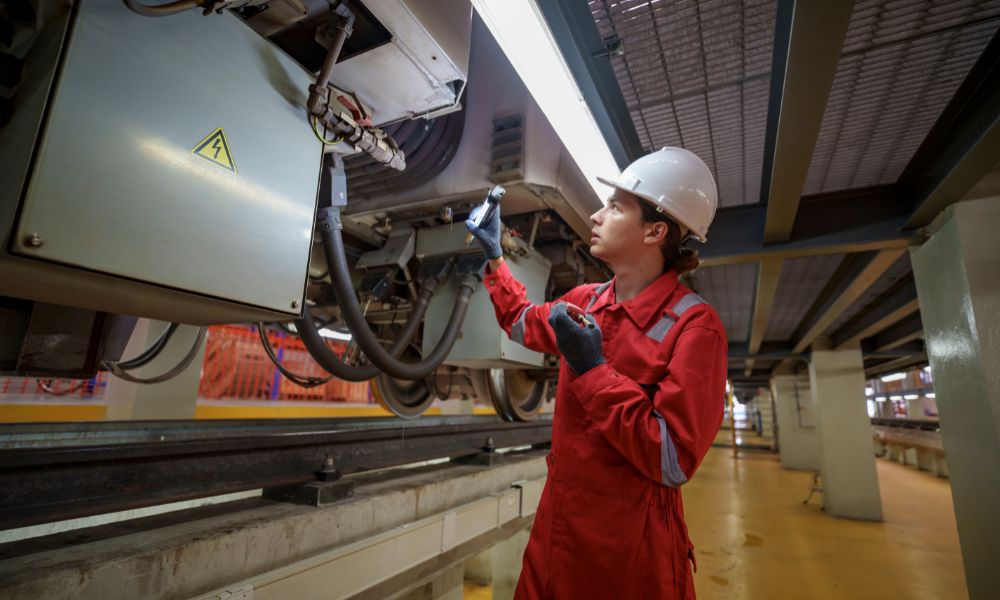
In practice, this means gaining close access to the equipment and inspecting specific components under controlled viewing conditions, often with improved lighting.
What is close inspection used for in Ex environments
In hazardous areas, close inspection is used to assess equipment condition in more detail without opening or dismantling it.
It is part of inspection routines defined in IEC 60079-17 and is typically performed when a visual inspection cannot provide enough certainty about the condition of critical components.
In practice, close inspection often requires physical access to the equipment. This may involve ladders, platforms, or other access solutions to support the inspector in properly assessing the condition.
During a close inspection, inspectors typically check:
- Condition of cable entries and glands
- Tightness of bolts and fastenings
- Early signs of corrosion or surface degradation
- Condition of seals and gaskets
- Clarity and accuracy of markings
By working at close range, smaller defects can be identified before they develop into more serious issues that could affect safety or compliance.
Inspection grades: where close inspection fits
Close inspection sits between visual and detailed inspection and plays a key role in determining the overall inspection approach.
Visual inspection
Performed from a normal viewing distance.
- Focus on obvious defects
- No special access required
- Used as an initial inspection step
Close inspection
Performed at short range with better viewing conditions.
- Requires physical access and lighting
- Focus on smaller or less visible defects
- Still non-intrusive
Detailed inspection
The most thorough type of inspection.
- May require opening equipment and/or the use of tools
- Used when deeper assessment is required
- Performed less frequently
Role of close inspection
Close inspection is used when a standard viewing distance is not sufficient to identify equipment condition.
As part of structured inspection routines, it supports assessment at the appropriate grade based on risk and operating conditions.
By working at short range, close inspection allows smaller defects to be identified before they develop into more serious issues.
In practice, this provides:
- Improved visibility of critical components
- Detection of smaller or developing defects
- Better basis for inspection and maintenance decisions
- Increased confidence in equipment condition
Limitations of close inspection
Close inspection still has limitations and cannot replace more detailed inspection methods when required.
It can only assess what is visible under the given conditions.
Other limitations include:
- Requires physical access to equipment
- May involve additional time and planning
- Results depend on inspector competence
Because of this, close inspection is often used together with other inspection methods as part of a broader inspection strategy.
Close inspection across industries
Close inspection is widely used in industries where equipment operates under demanding conditions and must be assessed accurately without unnecessary disruption.
This includes oil and gas, chemical processing, energy, and manufacturing.
While the environments differ, the need remains the same: to identify developing issues early without interfering with operations.
How close inspection fits into a digital workflow
Close inspections often result in more detailed observations than standard visual inspections.
A digital workflow allows inspection data to be:
- Recorded directly on site
- Linked to specific equipment or components
- Stored with a complete inspection history
This makes it easier to track findings over time and maintain a clear overview of equipment condition across assets.